Why Hello World Is Your New Favorite Creative Companion
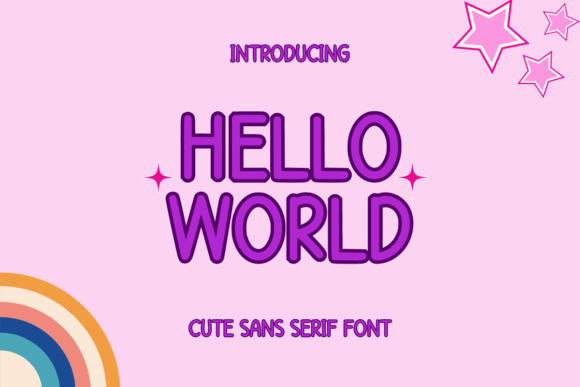
There’s a special kind of excitement that comes with finding a font that just clicks—one that feels both friendly and versatile, capable of adding personality without stealing the show. If you’ve been searching for a typeface that balances charm with clarity, the Hello World font might be the missing piece in your creative toolkit. It’s a cute sans serif designed with a warm, approachable vibe, making it ideal for everything from handwritten-style notes to polished brand materials. Whether you’re a small business owner crafting product packaging, a content creator designing social media graphics, or a hobbyist making stickers for your planner, this font offers a refreshing blend of simplicity and character.
A Typeface Built for Real-World Projects
What sets Hello World apart isn’t just its aesthetic appeal—it’s how naturally it fits into everyday design work. The letterforms are clean and legible, with subtle rounded edges that give it a friendly, inviting feel. Unlike overly stylized script fonts that can become hard to read at smaller sizes, or rigid geometric sans serifs that feel too corporate, Hello World strikes a balance that works across mediums. It’s a premium font that doesn’t demand attention but quietly enhances whatever it touches. Think of it as the reliable friend who shows up exactly where you need them: on a thank-you card, a product label, or a website banner.
For branding purposes, consistency is key. Hello World’s cohesive style helps maintain visual harmony across your materials. Imagine using it for your logo, then carrying that same typeface into your packaging, business cards, and Instagram posts. Suddenly, your brand feels unified and professional, even if you’re working from your kitchen table. The font’s versatility also makes it a smart choice for editorial design—think blog headers, magazine layouts, or digital lookbooks where you want text to feel approachable yet polished.
From Digital Screens to Physical Products
One of the most practical aspects of Hello World is how well it translates between digital and print formats. On screens, its clarity ensures readability whether it’s used for website navigation, app interfaces, or social media quotes. The letter spacing and weight options are thoughtfully designed, so text remains crisp on everything from smartphone screens to desktop monitors. This is crucial for web design and digital products, where font rendering can make or break user experience.
When it comes to physical applications, Hello World truly shines. Its clean lines hold up beautifully in print, making it suitable for posters, flyers, and merchandise. For crafters using Cricut machines or designing embroidery patterns, the font’s simple geometry ensures clean cuts and stitches. If you’re creating SVG quotes for wall art or designing T-shirt graphics, Hello World provides a modern typography foundation that feels current without being trendy. It’s the kind of font that elevates a DIY project into something that looks professionally designed.
Pairing and Practicality in Design Work
Choosing the right font is only half the battle—knowing how to pair it with other typefaces is what brings designs to life. Hello World works wonderfully alongside serif fonts for contrast, or with handwritten fonts for a more organic feel. Try using it for headings with a classic serif for body text, or pair it with a delicate script for invitations and greeting cards. The key is to test combinations in context: mock up a social media post, a product label, or a business card layout to see how the fonts interact. Does the hierarchy feel natural? Is the text still easy to read at a glance?
Readability should always be a priority, especially for marketing materials and packaging where quick comprehension matters. Hello World’s sans serif structure keeps it accessible, but it’s worth paying attention to size and spacing. For small text on product packaging, ensure there’s enough contrast between the font and background. For digital use, test how it looks in both light and dark modes. These small adjustments can significantly impact how your audience engages with your content.
Thinking About Licensing and Long-Term Use
If you’re planning to use Hello World for commercial projects—like selling merchandise, creating client work, or designing products for sale—it’s important to review the font’s licensing terms. Many premium fonts come with different license types for personal versus commercial use. Taking a moment to understand these details upfront can save headaches later. Look for fonts that offer clear, flexible licensing that aligns with your projects, whether you’re a solo entrepreneur or a growing business.
Ultimately, the best font is one that supports your creative vision without complicating your workflow. Hello World offers that rare combination of style and practicality, making it a valuable addition to any designer’s library. It’s not about chasing trends or using the most elaborate typeface—it’s about finding tools that help you communicate clearly and beautifully. So the next time you’re starting a new project, consider giving Hello World a try. You might just find it becomes your go-to for bringing ideas to life, one letter at a time.