Kinda Font: Bold, Sharp & Ready for Your Next Creative Project
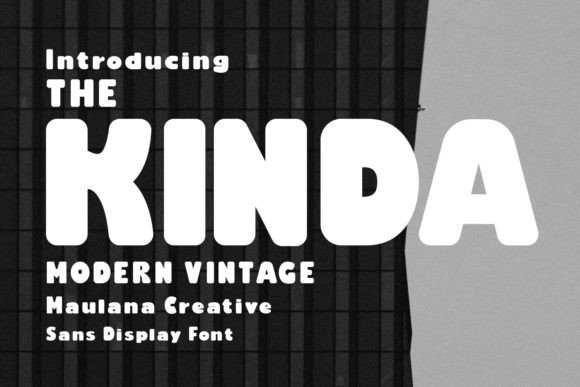
Ever find yourself staring at a blank canvas, knowing exactly the vibe you want to create but struggling to find a typeface that truly captures it? You need something that feels contemporary and confident, with just enough personality to stand out without overwhelming your message. Enter Kinda, a sans serif display font designed to inject energy and clarity into a wide range of creative work. Its bold, tall strokes and sharp edges deliver a modern punch, while subtle ligatures and alternate characters provide that extra layer of visual interest designers crave.
A Typeface Built for Impact and Versatility
Kinda isn't just another sans serif. Its visual character is defined by a confident stance—each letterform stands tall and assertive, making it immediately effective for headlines and titles where first impressions matter. The sharpness of its strokes gives it a clean, contemporary edge, perfect for projects that aim to look current and professional. Yet, it avoids feeling cold or sterile thanks to carefully designed fun elements. Those optional ligatures and alternates aren't just decorative; they're tools. They allow you to fine-tune the typography for a specific mood, whether it's adding a touch of playfulness to a social media graphic or creating a unique logomark for a brand.
What truly sets this premium font apart in practical use is its robust multilingual support, covering over 100 languages. This makes it a reliable workhorse for global brands, international publications, or any project targeting a diverse audience. You won't hit a wall when you need to set text in different scripts, which is a common frustration with many display fonts. It’s a creative font that’s built for real-world application, not just for looking good in a specimen sheet.
From Brand Identity to Digital Marketing: Where Kinda Shines
Let's talk application. Where does a typeface like Kinda truly add value? The answer is broad, but its strengths lie in areas where visual communication needs to be both clear and compelling.
For logo design and brand identity, Kinda's bold presence makes it an excellent candidate. Its sharp, modern look can help a startup in the tech space appear innovative and trustworthy. Paired with a more neutral sans serif or a classic serif font for body text, it creates a dynamic and professional typographic system. Think of a coffee brand using Kinda for its logo and menu headers, then pairing it with a simple serif for descriptive text on packaging. The contrast is intentional and effective.
In the realm of social media graphics and digital content, readability at a glance is everything. Kinda’s tall, bold letters are perfect for Instagram story headings, YouTube thumbnails, or Pinterest pins where you have mere seconds to capture attention. Its fun alternates can help you create a series of visually consistent yet varied posts, keeping your feed fresh without losing brand recognition. For content creators and marketers, this means more engaging assets that stop the scroll.
Don't overlook print and editorial design. This typeface is surprisingly effective for book titles, magazine covers, and poster layouts. Its strong presence commands attention on a physical page just as it does on a screen. Imagine a thriller novel cover with the title set in a sharp, condensed weight of Kinda—it immediately sets a tense, modern tone. For packaging design, especially for products aimed at a younger, style-conscious demographic, it can communicate quality and contemporary appeal instantly.
Making It Work: Practical Typography Tips
Choosing the right font is only half the battle; using it effectively is what separates good design from great. Here’s how to get the most out of a display typeface like Kinda.
Pairing is key. Kinda is a display font, meaning it's designed for impact, not for setting long paragraphs of body copy. Its real power emerges when paired thoughtfully. For a harmonious look, try combining it with a clean, geometric sans serif for smaller text. For a more dynamic contrast, pair it with a classic, readable serif font. Always test your pairings at the actual size they'll be used to ensure the hierarchy is clear and the overall look is balanced.
Consider your audience and medium. The sharp, modern aesthetic of Kinda might be perfect for a tech startup's website but could feel out of place for a traditional law firm's brochure. Always align your typographic choices with the project's goals and the expectations of your audience. For web design, ensure the font renders clearly across different devices and browsers. For print, check how the bold strokes hold up in different printing processes.
Explore the full character set. Don't just type "Kinda" and call it a day. Open the glyphs panel in your design software and explore the ligatures and alternates included. These features are there to help you solve specific design problems—like avoiding awkward letter combinations or creating a truly unique custom logotype. Using them demonstrates attention to detail and elevates the professionalism of your work.
Finally, always review the licensing for any commercial font. Ensure the license covers your intended use, whether it's for a client's logo, merchandise for sale, or a digital product. A reputable premium font like Kinda will come with clear licensing terms that protect both you and your client, allowing you to use the typeface with confidence across all your creative projects.