The Armagist: A Handcrafted Blackletter for Timeless Branding
Imagine opening an ancient, leather-bound tome in a forgotten library. The pages are heavy, the ink is deep and slightly uneven, and the letterforms seem to carry the weight of history itself. That feeling—of authenticity, craft, and timeless storytelling—is precisely what The Armagist captures in a digital font. In a design landscape often dominated by clean, geometric sans-serifs, this handcrafted blackletter typeface offers a bold, textured alternative for anyone whose work demands a sense of heritage, fantasy, or artisanal quality.
More Than Just Old Letters: The Visual Soul of The Armagist
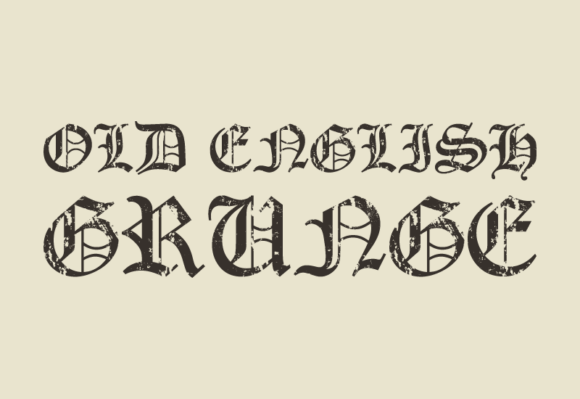
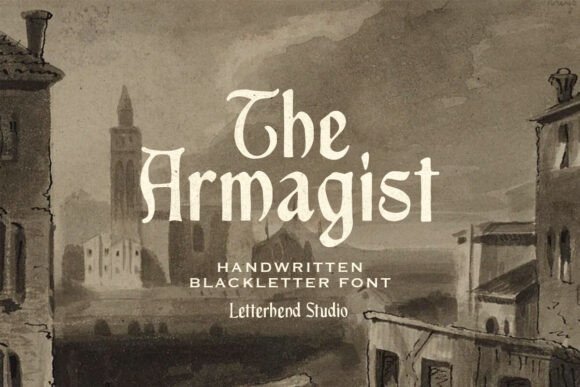
At its core, The Armagist is a display font rooted in the blackletter tradition, but it’s far from a simple historical replica. Its creators have infused it with a distinct personality. The strokes are bold and textured, giving each character a tactile, almost hand-printed feel. Look closely, and you’ll notice the subtle imperfections—the slight variations in line weight, the faint roughness at the edges. These aren’t flaws; they’re the details that inject authenticity. It avoids the cold perfection of digital vectors, instead evoking the spirit of medieval manuscripts, woodblock prints, or hand-forged metal type.
This makes it a premium font that serves a very specific, powerful purpose. It’s not for body text or delicate instructions. It’s a creative font designed to make an immediate, atmospheric statement. The visual weight and intricate details command attention, setting a tone that is unmistakably historical, fantastical, or deeply rooted in craftsmanship.
Practical Applications: Where History Meets Modern Design
Understanding a font’s personality is one thing; knowing how to deploy it effectively is another. The Armagist excels in projects where visual storytelling and brand identity are paramount. Its strength lies in creating a powerful first impression and establishing a cohesive, thematic world around a brand or project.
Branding and Logo Design
For businesses with a narrative tied to tradition, expertise, or fantasy, The Armagist can become the cornerstone of a brand identity. Think of a craft brewery, a bespoke leather goods maker, a historical society, a fantasy-themed gaming studio, or a high-end artisanal chocolatier. Used in a logo, it instantly communicates heritage, quality, and a story worth telling. Pair it with a clean, simple sans serif font for company names and taglines to ensure readability while letting the blackletter do the heavy atmospheric lifting.
Editorial and Packaging Design
In editorial design, this typeface is perfect for chapter titles in fantasy novels, headers in a magazine about medieval history, or the cover of a book on ancient crafts. For packaging design, it can elevate products like artisanal spirits, gourmet sauces, or specialty teas, giving the shelf presence a premium, old-world charm that suggests careful recipe development and tradition.
Digital Presence and Marketing Assets
Online, The Armagist can transform social media graphics for events like Renaissance fairs, historical reenactments, or fantasy book launches. It creates standout hero text on a website homepage for a niche brand, immediately immersing visitors in the intended aesthetic. It’s also highly effective for creating impactful marketing assets like posters, event flyers, and digital product covers (e.g., for a set of fantasy brushes or textures).
Pairing for Purpose: Building a Typographic Hierarchy
The true power of a specialized display font like The Armagist is unlocked through thoughtful pairing. Using it for every piece of text would overwhelm a design and hurt readability. The key is contrast and hierarchy.
- With a Clean Sans Serif: This is a classic and reliable pairing. Use The Armagist for a main headline or logo mark, and a neutral, geometric sans serif font like Montserrat, Lato, or Open Sans for all supporting text—subheadings, paragraphs, and captions. This creates a clear visual hierarchy where the blackletter sets the mood and the sans serif ensures clarity.
- With a Simple Serif: For a more nuanced, literary feel, pair it with a traditional serif font like Georgia or a modern one like Lora. This works well for book covers or editorial layouts where you want a cohesive, classic feel but need the body text to be highly readable.
- With a Handwritten or Script Font: Use caution here. A very ornate script font could clash. Instead, consider a simpler, more legible handwritten font for a secondary accent, like a tagline or a personal note, to enhance the artisanal, handcrafted vibe without creating visual chaos.
Always test your pairings at the actual size they’ll be used. What looks balanced on a large poster might become muddy when reduced for a social media thumbnail.
Key Considerations Before You Commit
Choosing a font is a design decision with practical implications. Here’s what to keep in mind with a typeface as distinctive as The Armagist:
- Project Alignment: Does your project’s core message align with the font’s personality? A blackletter speaks of history, authority, and tradition. Using it for a modern tech startup or a playful children’s brand would create a confusing disconnect. Let the font’s inherent character support, not contradict, your message.
- Readability First: This is a creative font for headlines, not for running text. Its intricate forms are meant to be absorbed in short bursts. Always prioritize readability for essential information. Use it for titles, logos, and key phrases, and choose a more conventional typeface for details.
- Explore the Family: A quality font often comes with multiple styles. Check if The Armagist includes variations like a regular weight, a bold, or even alternate characters. These options give you flexibility to create emphasis and variety within your thematic consistency.
- Licensing for Your Needs: If you’re using this for a client project, merchandise for sale, or widespread digital distribution, ensure you have the correct commercial license. Most premium fonts have different tiers for personal, commercial, and extended use. Reviewing the license agreement is a non-negotiable step for any professional work.
Inviting History into Your Creative Toolkit
The Armagist isn’t just another font file; it’s a design asset that carries a specific atmosphere. It’s for the designer building a brand for a meadery, the author self-publishing a historical epic, the marketer promoting a cultural festival, or the crafter selling medieval-inspired goods. It solves the very real problem of needing a typeface that doesn’t just spell words, but tells a story at a glance.
By understanding its strengths, pairing it wisely, and applying it to the right contexts, you can harness its textured, handcrafted essence. It becomes a tool to build brand recognition, ensure visual consistency across all your materials, and create a professional presentation that engages your audience on a deeper, more atmospheric level. In the end, it’s about adding a layer of authentic, old-world charm to your modern creative work.