Old English Grunge: Raw Character for Bold Projects
There’s a certain energy that comes from a font that looks like it’s been through something. It carries history, weight, and a sense of defiance that clean, modern typefaces often lack. If your project needs that kind of immediate impact—a visual shout rather than a polite whisper—a distressed Blackletter style might be exactly the tool you’ve been looking for. This isn’t about perfect, polished letterforms; it’s about authenticity and attitude.
A Typeface with a Distinct Voice
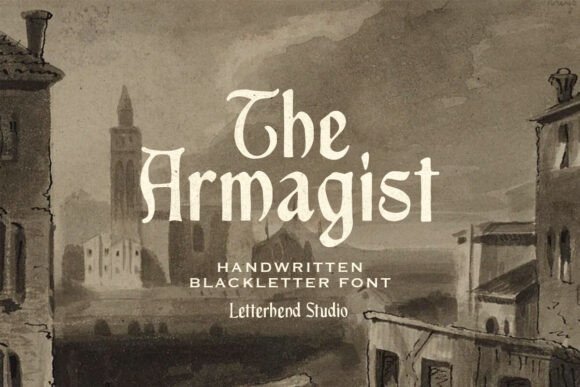
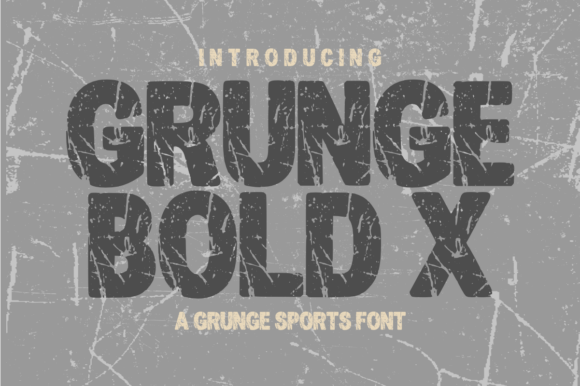
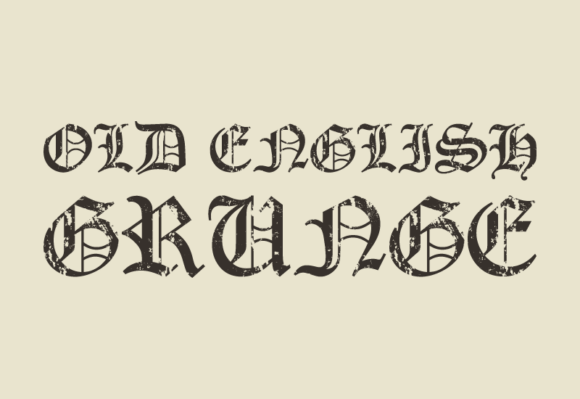
At its core, this style is a fusion. It takes the intricate, Gothic-inspired structure of traditional Old English script and layers it with a weathered, textured finish. The result is a display font that feels both medieval and modern, historic yet rebellious. The grunge effect—those subtle scratches, uneven edges, and ink-bleed details—prevents the lettering from feeling too rigid or ceremonial. Instead, it introduces a human, handcrafted element. This visual texture makes it particularly effective for projects aiming to convey authenticity, edge, or a connection to subcultures like rock music, street art, or tattooing.
Unlike a standard serif font or a clean sans serif font, this typeface doesn’t blend into the background. It demands attention. Its visual personality is perfect for creating a strong brand identity for businesses or creators in niches that value individuality and bold expression. Think of a craft brewery, a vintage record store, a motorcycle gear brand, or an independent publisher specializing in gritty fiction. The font does much of the branding heavy lifting, instantly communicating a specific vibe before a single word of copy is read.
From Streetwear to Editorial: Where This Font Shines
The practical applications for a creative font like this are surprisingly diverse. Its primary strength lies in projects where typography is a central design element, not just a functional component for body text. Here’s where it can make a real difference:
- Logo Design & Branding: It creates logos with instant memorability. For a band, a tattoo parlor, or a streetwear label, this font style becomes a cornerstone of the visual identity. Pair it with a simple sans serif font for body copy to maintain readability.
- Packaging Design: On product packaging for items like hot sauce, craft spirits, artisanal coffee, or blacksmith-made goods, it adds a layer of perceived quality and craftsmanship. It suggests the product inside is made with care and has a story.
- Print & Digital Marketing Assets: Use it for headline treatments on posters, event flyers for music gigs or art shows, and social media graphics that need to stop the scroll. Its texture ensures it looks good both in print and on screens.
- Editorial & Web Design: In limited, strategic doses, it can elevate magazine covers, chapter headings in a book, or featured article titles on a blog. It’s not for long paragraphs, but for impactful headers, it’s unbeatable.
- Merchandise & Invitations: From t-shirts and hats to wedding invitations for a themed event or milestone birthday party with a rock-and-roll edge, it turns everyday items into statement pieces.
Smart Pairings and Practical Considerations
Using a premium font with such a strong character requires a thoughtful approach. The key to success is contrast and restraint. You would rarely, if ever, use this font for body copy or long sentences. Its intricate details, while beautiful, can reduce readability at small sizes or in dense text blocks. Its job is to headline, to introduce, and to captivate.
A crucial step is font pairing. Balance its intensity with something clean and neutral. A geometric sans-serif like Futura or a simple grotesque like Helvetica can provide excellent contrast for secondary text, captions, or calls-to-action. A complementary script font with a similar vintage feel could work for certain accents, but test it carefully to avoid visual clutter. The goal is to let the Old English style be the star of the show.
Before committing, always review the full character set of the specific typeface you choose. Check for the availability of numerals, punctuation, and accented characters you might need. Also, understand the licensing. Most professional fonts come with a commercial font license that covers specific uses—like a single user, a number of computers, or for a specific project like a logo or website. Ensure the license matches your intended application, especially if you’re creating assets for clients or for sale.
Building a Cohesive Visual Narrative
Ultimately, typography is a tool for storytelling. The distressed, Gothic nature of this font tells a specific story—one of rebellion, tradition with a twist, and unapologetic boldness. When used intentionally, it does more than just look cool; it builds visual consistency and deepens audience engagement. People who connect with that aesthetic will immediately recognize and resonate with your brand.
For a small business owner or a content creator, this means your marketing materials, from your social media graphics to your web design headers, can create a unified world. It helps your brand recognition because the font itself becomes an identifiable asset. The key is to use it consistently across the right touchpoints, always ensuring it serves the project’s goals rather than overwhelming them.
So, if you’re working on a project that thrives on character and isn’t afraid to stand out, consider stepping away from the safety of the familiar. A font with this much personality can be the catalyst that transforms a good design into a memorable one, giving your work the raw, authentic voice it deserves.