Pretty Girl Font: A Handwritten Typeface for Authentic Branding
There's a moment in every design project where you need a typeface that feels personal—something that carries the warmth of a handwritten note but holds up in professional contexts. That's where Pretty Girl enters the conversation. This lovely, timeless handwritten font brings a distinctive character to creative work, with each letter carrying its own unique touch that makes designs genuinely come alive. Whether you're building a brand from scratch or refreshing an existing identity, understanding how to use a font like this effectively can transform your visual communication.
What Makes This Handwritten Font Stand Out
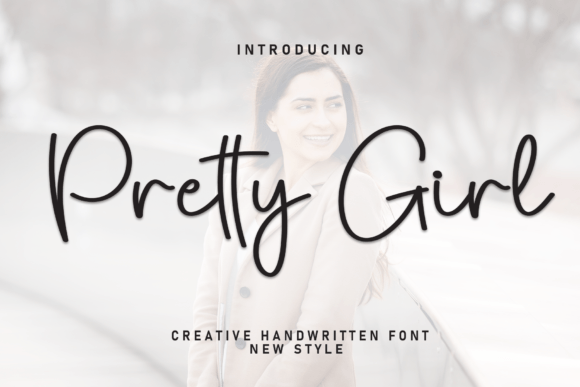
Pretty Girl isn't just another script font sitting in your collection. The letterforms have been crafted with careful attention to natural flow and rhythm, mimicking the organic inconsistencies of actual handwriting while maintaining enough consistency for professional use. Each character carries subtle variations in stroke weight and connection points, which prevents that mechanical, repetitive look that plagues many digital script fonts.
The visual personality here leans toward elegance without feeling stuffy. It strikes that balance between approachable and polished—exactly what many small businesses, content creators, and entrepreneurs need when they want their brand to feel human but still credible. The curves are fluid, the spacing feels intentional, and the overall impression is one of thoughtful craftsmanship rather than rushed design.
What really sets this typeface apart is its versatility across different scales. Some handwritten fonts look beautiful at large sizes but fall apart when reduced for body text or small applications. Pretty Girl maintains its character and legibility whether you're using it for a headline on a poster or a smaller accent on packaging. That adaptability makes it a genuinely useful design asset rather than a novelty you pull out once and forget.
Where This Creative Font Truly Shines
Let's talk about real applications, because a font's value ultimately comes down to how you use it. Pretty Girl works exceptionally well across a range of projects that designers, marketers, and business owners encounter regularly.
Brand Identity and Logo Design stand out as natural fits. If you're developing a brand for a boutique, a lifestyle blog, a creative studio, or a personal brand, this handwritten typeface immediately communicates authenticity and warmth. It pairs beautifully with clean sans serif fonts for a balanced visual hierarchy—think Pretty Girl for your primary logo mark paired with a geometric sans serif for supporting text and body copy.
Packaging Design is another area where handwritten fonts excel. Product labels for artisan goods, cosmetics, food products, and handmade items benefit enormously from typography that suggests care and personal attention. Pretty Girl can make a small-batch candle brand or a local bakery's packaging feel premium and intentional without the price tag of custom hand-lettering.
Social Media Graphics demand fonts that stop the scroll. In a feed full of predictable typography, a well-executed handwritten font catches the eye. Use it for Instagram quote graphics, Pinterest pins, story templates, or promotional announcements. The key here is restraint—let the font do the heavy lifting on one element while keeping supporting text in a complementary typeface.
Wedding Invitations and Event Stationery represent a massive market for elegant script fonts. Pretty Girl's refined character makes it suitable for save-the-dates, invitation suites, menu cards, place cards, and thank-you notes. Event planners and stationery designers will find it particularly useful for creating cohesive stationery suites without resorting to overly formal calligraphy styles.
Website Headers and Blog Design benefit from the personality a handwritten font brings. Using Pretty Girl for section headers, pull quotes, or featured post titles on a blog creates visual interest and breaks up the monotony of standard web typography. Just remember to pair it with a highly readable serif or sans serif for actual body text—handwritten fonts at small sizes in long paragraphs will frustrate readers.
Merchandise and Print Products like tote bags, mugs, t-shirts, and greeting cards are perfect vehicles for this typeface. The commercial licensing that comes with premium fonts like Pretty Girl means you can confidently use it on products you intend to sell, which is a critical consideration that free fonts often don't support.
Pairing Pretty Girl with Other Typefaces
No font works in isolation. The real magic happens when you create thoughtful font pairings that establish clear visual hierarchy. Pretty Girl functions as a display font—best suited for headlines, logos, and accent text—so you'll want complementary typefaces for longer content.
A clean sans serif like Montserrat, Lato, or Open Sans creates a beautiful contrast. The geometric precision of these fonts grounds the organic energy of Pretty Girl, making the combination feel modern and balanced. For a warmer, more editorial feel, try pairing it with a readable serif font like Lora or Source Serif Pro. The interplay between the handwritten script and the structured serif creates a sophisticated tension that works well for lifestyle brands, blogs, and editorial layouts.
The general rule with font pairing is contrast without conflict. You want typefaces that feel different enough to create visual interest but share enough underlying structure to feel cohesive. Test your pairings at multiple sizes and in context—what looks elegant in a design mockup might become illegible at the sizes you'll actually use.
Practical Considerations for Professional Projects
Before committing to any font for a commercial project, a few practical factors deserve attention. First, review what's included in the font package. Many premium fonts come with multiple styles—regular, bold, light, italic variations—plus additional features like alternates, ligatures, and swashes. These extras dramatically expand your creative options and help you avoid the limitation of having only one weight to work with.
Readability testing is non-negotiable. Set your intended text at the actual size it will appear in your project and view it on different devices or in print. Handwritten fonts can be tricky here—what reads beautifully at 48 pixels on a desktop screen might become a tangled mess at 14 pixels on a mobile device. If you're designing for web, test across browsers and screen sizes. For print, always run a proof before final production.
Licensing matters more than most people realize. If you're using a font for client work, merchandise, or any commercial application, ensure your license covers that use. Premium fonts like Pretty Girl typically come with clear commercial licensing terms, which protects both you and your clients. Free fonts often have murky licensing that can create legal headaches down the road, especially if you're scaling a product line or working with multiple clients.
Consider your brand's long-term consistency when selecting typography. A font you choose today for your logo will need to work across every touchpoint—website, business cards, social media, packaging, signage. Make sure the typeface you select is versatile enough to handle all these applications without losing its impact or requiring constant workarounds.
Bringing Your Visual Identity Together
The fonts you choose communicate before anyone reads a single word. They set expectations, establish mood, and signal whether a brand is playful or serious, luxurious or accessible, traditional or contemporary. Pretty Girl communicates warmth, creativity, and personal touch—qualities that resonate with audiences who value authenticity over corporate polish.
For designers building brand systems, this handwritten font becomes one tool in a carefully curated typography toolkit. For entrepreneurs creating their own materials, it offers a way to add professional personality without hiring a lettering artist. For content creators and bloggers, it provides a visual signature that helps differentiate your work in crowded spaces.
The best typography choices aren't about following trends or collecting the newest fonts. They're about finding typefaces that genuinely serve your project's goals and connect with your intended audience. When a font like Pretty Girl aligns with your brand's personality and your project's requirements, it stops being just a design asset and becomes an integral part of how people experience and remember your work.