Thick: A Sweet Handwritten Font for Joyful Designs
Every designer knows the feeling—you've spent hours perfecting a layout, choosing colors, and arranging elements, but something still feels missing. Often, that final touch is typography. A font like Thick, with its sweet, cursive personality, can transform a good design into one that feels genuinely inviting. This handwritten typeface carries a warmth that digital precision often lacks, making it ideal for projects where connection matters more than formality.
Why a Handwritten Font Like This Works
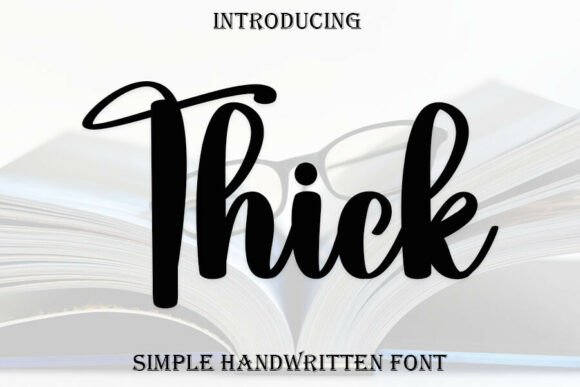
Thick isn't just another script font. Its letters flow with a natural, slightly bouncy rhythm that mimics real handwriting without sacrificing legibility. The strokes are confident yet gentle, creating a balance between elegance and approachability. Unlike overly ornate calligraphy fonts, it remains readable at various sizes, which is crucial for practical applications. Whether you're designing a logo for a boutique bakery or crafting social media posts for a lifestyle brand, this font communicates joy and authenticity.
What makes it particularly versatile is its ability to adapt to different contexts. In a wedding invitation, it feels romantic and personal. On product packaging for artisan goods, it suggests handmade quality. For a fashion lookbook, it adds a touch of casual sophistication. The key is understanding how its personality aligns with your project's goals.
Bringing Your Brand to Life with Typography
For small business owners and entrepreneurs, font choice is a critical part of brand identity. A typeface like Thick can help define a brand's voice before a single word is read. Consider a local florist wanting to convey freshness and care—using this font for their logo and packaging creates immediate visual consistency. Customers begin to associate the gentle curves of the letters with the brand's character.
When building a brand system, it's wise to pair a display font like Thick with a more neutral companion. A clean sans serif for body text ensures readability while allowing the handwritten font to shine in headlines and logos. This approach maintains professionalism while injecting personality. Always test font pairings in real mockups to see how they interact with your brand's color palette and imagery.
Practical Applications Across Media
The true test of any creative font is how it performs in real-world scenarios. Thick excels in various contexts:
- Print Materials: Wedding stationery, greeting cards, and event posters benefit from its romantic touch. The font's clarity ensures it reproduces well even on textured paper.
- Digital Projects: Website headers, blog post titles, and email newsletters gain warmth without compromising screen readability. Its slightly thicker strokes maintain visibility on mobile devices.
- Packaging and Merchandise: Labels for handmade products, tote bag designs, and merchandise tags feel more authentic with a handwritten style. It communicates the care behind the product.
- Social Media Graphics: Instagram quotes, Pinterest pins, and Facebook ads stand out in crowded feeds. The font's friendly vibe encourages engagement and shares.
- Editorial and Marketing: Lookbooks, promotional flyers, and digital product covers achieve a stylish yet approachable aesthetic. It works particularly well for fashion, beauty, and lifestyle content.
Remember that context dictates usage. While perfect for display purposes, lengthy paragraphs set entirely in a script font can become tiring to read. Use it strategically for impact—headlines, logos, short phrases, and call-to-action text.
Ensuring Readability and Professional Polish
One common concern with handwritten fonts is legibility, especially at smaller sizes. Thick addresses this with thoughtful letter spacing and distinct character shapes. The lowercase 'a' doesn't get confused with 'o', and ascenders and descenders are clear. Still, it's always smart to test your designs across different devices and print sizes before finalizing.
For professional projects, consider the font's licensing. Most premium fonts come with commercial licenses that cover various applications—from client work to merchandise sales. Verify that your license allows for your intended use, especially if you're creating products for sale or large-scale marketing campaigns. This due diligence protects both your work and the font designer's rights.
When incorporating any display typeface into your design assets, maintain hierarchy. Use it sparingly for maximum effect. Let it anchor your visual identity without overwhelming other design elements. The goal is to create a harmonious system where typography supports your message rather than distracting from it.
Matching Font Style to Project Goals
Choosing the right font ultimately comes down to alignment with your project's purpose. Ask yourself what emotion you want to evoke. Thick answers a specific need: designs that require human warmth, casual elegance, and a touch of celebration. It's less suited for corporate reports or technical manuals, but perfect for anything meant to feel personal, joyful, or creatively inspired.
Explore the font's included styles—often, premium fonts offer alternates, ligatures, or swashes that provide additional customization. These subtle variations can make your typography feel even more unique and tailored to your brand. Experiment with these features in your design software to discover new possibilities.
In a world saturated with sterile digital interfaces, a font with genuine character stands out. It doesn't just display words; it communicates feeling. Whether you're a crafter selling handmade goods on Etsy, a blogger building a personal brand, or a designer creating marketing materials for a client, typography like this becomes a silent ambassador for your work's quality and care. The right letterforms can make all the difference between something that feels generic and something that feels truly crafted.