Unlocking Visual Depth: The Glass Marbles Typeface Experience
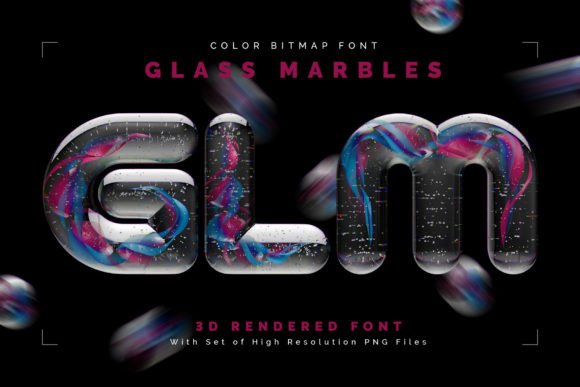
There is a distinct moment in every design process where the text stops being just information and starts becoming art. It usually happens when you find a typeface that doesn't just sit on the canvas but interacts with it. If you have been searching for that specific blend of modern technology and artistic flair, the Glass Marbles typeface is a fascinating entry into the world of premium 3D typography. It is not just a font; it is a design asset that mimics the look of polished, translucent spheres arranged to form letters. The result is a glossy, abstract effect that immediately catches the eye, offering a fresh alternative to the flat, standard sans serif and serif fonts we see every day.
For designers, content creators, and entrepreneurs, the challenge is always finding ways to stand out in a crowded visual landscape. We are constantly bombarded with content, and the human brain is wired to notice anomalies—things that look different, shiny, or textured. Glass Marbles leverages this by utilizing a color bitmap OpenType-SVG format. This is a significant leap forward from standard vector fonts. While traditional fonts rely on mathematical paths and solid fills, this technology embeds high-resolution raster images directly into the font file. This allows for complex textures, lighting effects, and transparency that were previously impossible to achieve with a simple keystroke.
The Anatomy of a High-Impact Display Font
Understanding what makes this typeface unique helps in knowing where to apply it. The visual language of Glass Marbles is defined by its "rounded shape and abstract transparent effect." Imagine taking a collection of glass beads, each catching light and casting soft shadows, and arranging them into the alphabet. The result is a 3D-rendered look that feels tactile. You can almost feel the smooth, cold surface of the letters. This creates a sense of luxury and modernity, making it an ideal candidate for projects that need to convey innovation or high-end quality.
However, it is vital to understand the technical composition to use it effectively. Because it is a color font, the file size is larger than a standard text font, and it carries specific rendering behaviors. The "glossy" look isn't a filter applied in Photoshop; it is baked into the character design. This means that wherever you type, that 3D effect remains consistent. For a brand identity project, this consistency is gold. It ensures that whether your logo appears on a website header or a printed flyer, the visual impact remains identical.
Strategic Applications: Where to Use Glass Marbles
Knowing a font looks cool is one thing; knowing how to monetize or utilize that cool factor is another. The nature of this display font dictates its usage. Because of the intricate detail and the 3D effect, it is not designed for body text or long paragraphs. If you tried to write a 500-word blog post in Glass Marbles, it would be illegible and exhausting to read. Instead, its power lies in headlines, logos, and hero images.
Consider the world of packaging design. If you are launching a new energy drink, a tech gadget, or a youth-oriented cosmetics line, the shelf appeal is everything. Using Glass Marbles for the product name on the box can immediately communicate a futuristic or premium vibe. The transparency effect of the font can interact beautifully with the packaging material itself, especially if the background is vibrant or metallic.
For social media graphics, the font is a powerhouse. Platforms like Instagram and TikTok are highly visual and reward content that stops the scroll. A promotional post for a flash sale, a podcast cover art, or a YouTube thumbnail featuring these glossy, marble-textured letters will naturally stand out against the flat text used by competitors. It adds a layer of professional presentation that suggests the creator has invested in high-quality assets.
Enhancing Brand Recognition and Visual Consistency
One of the primary goals of marketing is brand recognition. You want your audience to recognize your content before they even read the caption. Typography plays a massive role in this. By adopting a unique typeface like Glass Marbles for your headers, you create a distinct visual signature.
Imagine a lifestyle blogger who uses this font for all their Pinterest pins. Over time, the audience associates that specific glossy, 3D text with that blogger's content. It becomes a mental shortcut. The same applies to digital products. If you are selling Canva templates, Procreate brushes, or online courses, using a high-end font for the title slide of your presentation or the cover of your eBook elevates the perceived value of the product. It signals that the content inside is just as polished as the cover.
Furthermore, the font includes a set of full-resolution PNG files with transparent backgrounds. This is a massive advantage for creative entrepreneurs. Sometimes, despite the best software, you need the letter "A" to be larger than the font size allows, or you want to rotate it at a specific angle where the 3D shadow looks best. Having access to the raw PNG files (averaging 6 megapixels in resolution) gives you total creative control. You can drag and drop these letters into any software, even those that might struggle with the advanced OpenType-SVG technology.
Practical Considerations for Modern Design Workflows
Adopting new technology always comes with a learning curve. While the Glass Marbles font is designed to work as a standard OTF file, the reality of color fonts is that they require modern software support. The good news is that the ecosystem is ready. If you are using Adobe Photoshop, Illustrator, InDesign, or Affinity Designer, you are covered. These industry-standard tools fully support color bitmap fonts, allowing you to change the color of the text (which tints the underlying image) and apply standard kerning and tracking.
For those using Procreate on the iPad, this font opens up a world of possibilities for digital illustration and hand-lettered designs. You can type out a headline and then use the raster-based nature of the font to blend it with painted backgrounds.
However, a practical tip for web design and editorial layouts: always test your rendering. While you can use this font in web headers via specific CSS implementations of variable color fonts, it is often safer to render the text as an image (using the included PNGs) for web use to ensure it looks perfect on every browser. For print materials like posters and invitations, the high resolution of the font ensures it remains sharp, but always do a test print. The glossy, dark nature of the font might require a slightly brighter paper stock to ensure the contrast pops.
Pairing and Composition: The Art of Restraint
When you have a showstopper font like Glass Marbles, the temptation is to use it everywhere. Resist that urge. In modern typography, contrast is key. Because Glass Marbles is highly decorative, abstract, and textured, it pairs best with something clean, simple, and understated.
Think of it as a fashion ensemble. If you have a jacket with a wild, intricate pattern, you pair it with a solid-colored shirt and pants. Similarly, Glass Marbles works beautifully alongside a clean sans serif font like Helvetica, Open Sans, or a geometric sans serif. Use the glass font for the main headline to grab attention, and use the sans serif for the sub-headline and body copy to ensure readability.
Avoid pairing it with other script fonts, handwritten fonts, or highly decorative serifs. The visual noise would be too high, making the design look cluttered and unprofessional. The goal is to let the creative font shine without overwhelming the viewer. When selecting colors, remember that the font has its own internal colors (the shading and highlights of the glass). It often looks best on solid, dark backgrounds (like deep navy or charcoal) or simple gradients, which allow the transparency and gloss to mimic real glass sitting on a surface.
Final Thoughts on Commercial Utility
For the small business owner or marketer, the decision to invest in a premium font often comes down to versatility and licensing. Glass Marbles offers a unique visual proposition that can serve you across multiple campaigns. It is particularly effective for seasonal promotions—think "Ice Cold Sale" in winter or "Crystal Clear Summer" vibes—where the texture of the font reinforces the message.
Always ensure you review the specific licensing agreement included with the font to understand the scope of commercial use, especially if you plan to use it in physical merchandise for resale. But for digital assets, marketing collateral, and branding, this typeface provides a high-value tool for anyone looking to inject a bit of futuristic gloss into their visual communication. It proves that typography doesn't have to be flat; with the right assets, your words can have depth, texture, and a brilliant shine.