Monoline Elegance: A Font That Works as Hard as You Do
There's a moment in every creative project when the typography either clicks into place or throws everything off balance. You've spent hours refining a logo, tweaking a social media graphic, or laying out a brochure, and the font you choose either elevates the entire piece or makes it feel disjointed. If you've ever found yourself scrolling through font libraries, searching for something that feels both polished and approachable, Monoline Elegance might be the answer you didn't know you were looking for.
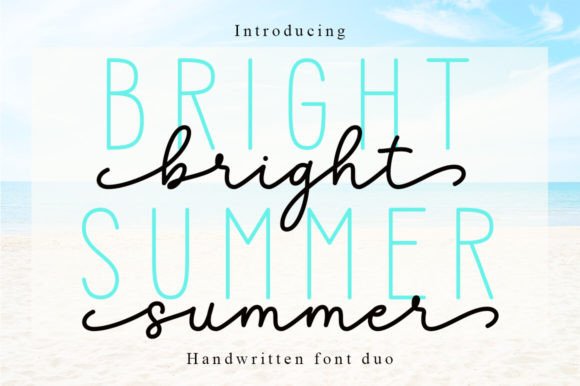
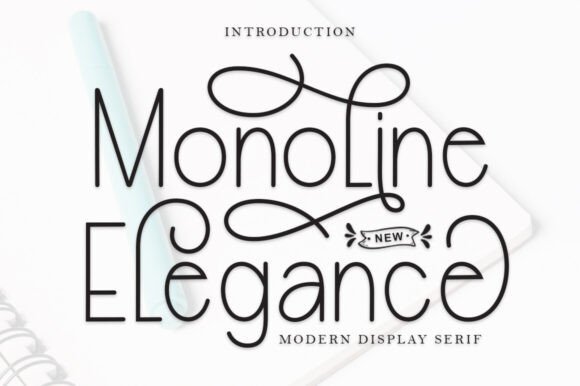
This handwritten typeface strikes a rare balance. It's neat enough to feel intentional and professional, yet casual enough to carry warmth and personality. The single-weight stroke gives it a consistent, clean appearance that works across a surprising range of applications. Whether you're building a brand from scratch, designing packaging for a small-batch product, or putting together a presentation that needs to feel human without sacrificing clarity, Monoline Elegance offers a versatility that many script fonts simply can't match.
Why the "Neat and Casual" Sweet Spot Matters
Most handwritten fonts fall into one of two camps. On one side, you have the ultra-casual, almost messy scripts that look great on a mood board but fall apart the moment you try to use them at smaller sizes or in professional contexts. On the other side, there are the overly polished calligraphy fonts that feel stiff and impersonal, more suited to wedding invitations than everyday branding.
Monoline Elegance sits right in the middle, and that's exactly where most of us need our typography to live. The uniform stroke width—what designers call a "monoline" style—means there's no dramatic thick-to-thin variation that can make some script fonts hard to read. Every letter carries the same visual weight, which creates a rhythm and consistency that's easy on the eyes. At the same time, the slight irregularities and natural flow of the letterforms keep it from feeling sterile or mechanical.
This balance is particularly valuable for anyone working on brand identity projects. A small business owner launching a candle line, a food blogger building a personal brand, or a wedding photographer creating a cohesive visual language all need a font that communicates personality without alienating potential customers. Monoline Elegance does that job quietly and effectively.
Practical Applications That Actually Work
Let's talk specifics, because a font is only as good as the contexts where it performs well. Here's where Monoline Elegance tends to shine:
Logo Design and Brand Marks — If your brand identity leans toward the artisanal, the personal, or the approachable, this font works beautifully as a primary wordmark or as a complement to a more structured sans serif font. Think of a boutique skincare brand, a freelance photographer's watermark, or a local bakery's signage. The handwritten quality adds a human touch that sterile, corporate typefaces can't replicate.
Packaging Design — Product packaging needs to communicate quickly and clearly while also conveying a mood. Monoline Elegance works well for product names, taglines, or accent text on labels, especially for food, beauty, lifestyle, and handmade goods. Its readability at moderate sizes makes it practical for the kind of text that appears on jars, boxes, and bags.
Social Media Graphics — Instagram posts, Pinterest pins, and Facebook headers all benefit from typography that stops the scroll. A handwritten font like this one adds personality to quote graphics, sale announcements, and promotional posts without looking like it was scribbled in a rush. Pair it with a clean sans serif for body text, and you've got a visual system that feels cohesive and intentional.
Invitations and Greeting Cards — This is perhaps the most natural home for a font like Monoline Elegance. Wedding invitations, birthday cards, baby shower announcements, and holiday greetings all call for a typeface that feels personal and celebratory. The neatness of the letterforms ensures legibility even when printed at smaller sizes, while the handwritten quality keeps things feeling intimate.
Website and Blog Design — Used sparingly, Monoline Elegance can add visual interest to headers, pull quotes, and accent text on a website. It pairs well with body text set in a straightforward serif or sans serif font, creating a hierarchy that guides the reader's eye without overwhelming them. Bloggers, in particular, can use it to inject personality into their site without sacrificing the readability of longer posts.
Print Materials and Marketing Assets — Brochures, flyers, postcards, and business cards all benefit from a touch of personality. If your brand has a human, approachable voice, using a handwritten font for headlines or callouts can reinforce that positioning. Just be mindful of context—a law firm probably shouldn't use it, but a yoga studio or a children's clothing brand absolutely could.
Getting the Most Out of Font Pairings
No font works in isolation. One of the most important skills in modern typography is understanding how to pair typefaces so they complement rather than compete with each other. Monoline Elegance, with its script style and moderate visual weight, pairs best with fonts that offer contrast.
A geometric sans serif font, for example, creates a clean counterpoint to the organic curves of the handwritten letterforms. Think of pairing it with something like Montserrat, Futura, or even a simple, modern sans serif for body copy. The contrast between the structured and the organic creates visual interest without chaos.
If your project calls for more warmth, a transitional or old-style serif font can work well too. The key is to avoid pairing Monoline Elegance with another script or highly decorative font. Too many competing personalities in your typography will confuse the viewer and dilute your message.
A practical tip: try setting your headlines in Monoline Elegance and your body text in a neutral, highly readable font. This creates a clear hierarchy that draws attention to the most important information while keeping longer passages comfortable to read.
Readability and Licensing: The Details That Matter
Readability is always worth testing before committing to a font for any project. Monoline Elegance performs well at medium to large sizes, which makes it ideal for headlines, logos, and display text. At very small sizes—think footnote text on a printed document or fine print on packaging—any handwritten font starts to lose clarity, so it's worth doing a test print or a screen mockup before finalizing your design.
Another consideration that often gets overlooked until the last minute is licensing. If you're using a font for commercial purposes—which includes anything from a client project to your own business's marketing materials—make sure the license covers that use. Monoline Elegance is available as a premium font with commercial licensing, so it's worth reviewing the terms to ensure your specific application is covered. This is especially important for designers working on client deliverables, merchandise, or digital products that will be sold or distributed.
A Font Worth Keeping in Your Toolkit
The best design assets are the ones you reach for again and again, not because they're trendy but because they solve real problems. Monoline Elegance is that kind of resource. It doesn't try to be everything. Instead, it does one thing exceptionally well: it brings a human, approachable quality to your designs while maintaining the clarity and consistency that professional work demands.
Whether you're a small business owner crafting your first brand identity, a content creator building a recognizable visual style, or a designer looking for a reliable handwritten font to round out your toolkit, this typeface deserves a closer look. Test it out, experiment with pairings, and see where it fits into your workflow. Sometimes the most useful creative tools are the ones that do their job so well you barely notice them—and that's exactly the kind of quiet confidence Monoline Elegance brings to the table.