Monogram: A Display Font That Brings Craft and Brand to Life
There's a certain magic in seeing a monogram etched onto a leather wallet, embroidered on a plush towel, or shining as a logo on a boutique's storefront. It feels personal, intentional, and timeless. But achieving that effect often starts with a single, crucial design choice: the font. A typeface like Monogram isn't just a collection of letters; it's a toolkit for creating that specific feeling of crafted elegance and personalized branding. Its clean, geometric structure makes it instantly recognizable and incredibly versatile, bridging the gap between digital design and tangible, handmade products.
More Than Just Letters: The Visual Power of a Monogram Typeface
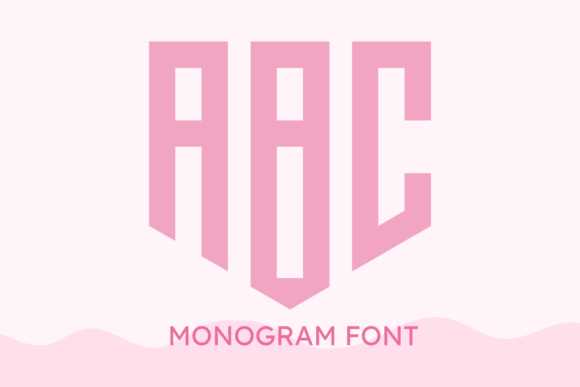
At its core, Monogram is a display font, meaning it's designed for impact at larger sizes—think headlines, logos, and featured text rather than long body paragraphs. Its visual appeal lies in its balanced, often symmetrical letterforms that mimic the classic art of monogramming. This creates an inherent sense of order and sophistication. The characters are typically uniform in width and weight, allowing them to nestle together seamlessly. This is a game-changer for creating interlocking initials or custom ligatures, which are the hallmark of a great monogram design. The font doesn't just spell out a name; it helps construct a unique visual symbol.
This aesthetic translates beautifully into modern design projects. It carries the weight of a serif font in its structured presence but often with the clean lines of a sans serif font. This duality allows it to feel both traditional and contemporary, making it a valuable design asset for a wide range of styles. Whether you're aiming for a vintage vibe or a minimalist look, a font with this inherent structure provides a solid, professional foundation.
From Etsy Shop to Main Street: Practical Applications for Creators and Businesses
The true test of a creative font is how it performs in the real world. For the crafter selling on Etsy or at local markets, Monogram is a workhorse. Its clear, bold lines are perfect for vinyl decals on tumblers and car windows, ensuring the design cuts cleanly and weeds easily. For embroidery, the font's defined shapes translate into clean stitch paths, reducing puckering and creating professional-looking monograms on hats, bags, and apparel. Imagine a set of custom earrings or a necklace where the initials are perfectly balanced and stylish—the font makes that possible.
For entrepreneurs and small business owners, the applications extend into brand identity. A strong logo is non-negotiable, and a monogram font provides a direct path to a classic, trustworthy mark. It's ideal for boutique shops, professional services like law firms or consultancies, personal brands, and luxury goods. The font's inherent elegance elevates packaging design, turning a simple box or bag into a memorable unboxing experience. Use it on labels, hang tags, and thank you cards to reinforce your brand's aesthetic at every customer touchpoint.
Digital spaces are equally fertile ground. Content creators and marketers can leverage this typeface for eye-catching social media graphics. A bold monogram initial can serve as a consistent visual anchor in Instagram stories, Pinterest pins, or Facebook covers, boosting brand recognition. On websites and blogs, it works wonderfully for hero section headlines, section dividers, or as a stylized author byline, adding a layer of professional polish that engages visitors.
Building a Cohesive Visual Language
One of the biggest challenges in design is maintaining consistency across different platforms and materials. This is where a versatile typeface like Monogram shines. Using it consistently for specific elements—like logos, subheadings, and call-to-action buttons—creates a visual rhythm that makes your brand feel cohesive and intentional. This consistency builds trust with your audience; they learn to recognize your style instantly, whether they're seeing a product in person, a post on social media, or an email in their inbox.
Improving professional presentation is another key benefit. A well-chosen font signals that you care about details. For a business, this translates to credibility. For a creator, it shows dedication to your craft. The right typography doesn't just look good; it communicates your values and attention to quality before a single word is read. This subtle communication is a powerful tool for audience engagement.
Making It Work: Practical Tips for Using Monogram Fonts
Getting the most out of a premium font like this involves a few practical considerations. First, always review the included font styles. A quality typeface family will often come with multiple weights (like Regular, Bold, or Light) and sometimes stylistic alternates. These variations give you flexibility for hierarchy and emphasis within your designs.
Font pairing is crucial. Because Monogram is a strong display font, it pairs best with a simpler, highly readable typeface for body text. A clean sans serif font or a gentle script font can create beautiful contrast without competing for attention. Test your pairings at the actual size they'll be used to ensure readability remains high, especially for smaller text on packaging or web pages.
Finally, never overlook licensing. If you're using the font for commercial projects—which includes anything you sell or use for business promotion—you need a commercial font license. Reputable font designers and marketplaces are very clear about this. Using a font correctly ensures you're protected and supporting the artists who create these valuable modern typography tools. Always check the license before finalizing a project for a client or your own business.
Choosing a typeface is a foundational decision that influences every other visual element in your project. A font with the character and versatility of Monogram offers a practical and stylish solution for anyone looking to add a touch of personalized elegance to their work, from the smallest craft project to the most ambitious brand launch.