Mickle: A Serif Font That Marries Retro Charm with Modern Polish
You know the feeling when you find a piece of vintage furniture that somehow fits perfectly in a sleek, modern apartment? It has history and character, but it doesn't feel dated or out of place. That’s the exact vibe Mickle, a captivating serif font, brings to your design projects. It’s not just another typeface; it’s a visual bridge between the warmth of the past and the clean confidence of the present, offering a unique tool for anyone looking to craft a memorable brand or compelling visual story.
The Visual Appeal: Where Timeless Meets Contemporary
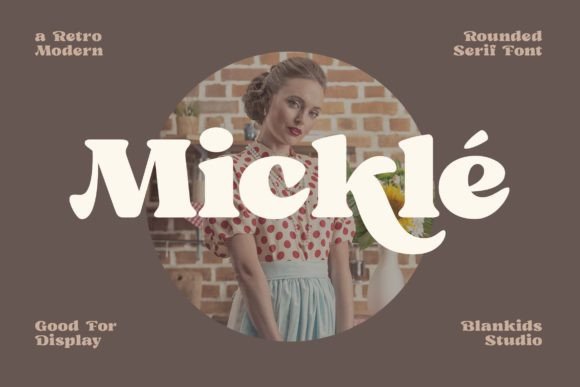
At first glance, Mickle’s personality is clear. It features beautifully rounded serifs—those small strokes at the ends of letters—that soften its appearance and add a touch of approachability. This isn't a stiff, corporate serif. Instead, its sleek lines and balanced proportions give it a modern, minimalist aesthetic. The magic lies in this duality. The rounded details evoke a sense of classic elegance and trust, while the overall structure feels fresh and relevant. This combination allows it to convey timeless elegance with a contemporary edge, making it incredibly versatile. It can feel luxurious and sophisticated for a high-end brand, or clean and professional for a tech startup, all depending on context and pairing.
Practical Applications: Where Mickle Truly Shines
Understanding a font's visual character is one thing; knowing how to deploy it effectively is where the real value lies. Mickle is a premium font designed for impact across a wide spectrum of creative and commercial work. Think of it as a foundational design asset that can elevate multiple touchpoints of a project.
- Branding & Logo Design: A logo is the cornerstone of a brand identity. Mickle’s unique blend of retro and modern makes it a fantastic choice for creating a logo that feels established yet current. It’s particularly effective for businesses in lifestyle, fashion, boutique hospitality, artisanal goods, or creative services where character and quality need to shine through.
- Packaging & Product Design: On a shelf or in an online store, packaging has seconds to make an impression. Mickle’s luxurious vibe and clear readability make it perfect for product names, labels, and packaging copy. It can make a gourmet food item feel more artisanal, a skincare product more premium, or a book cover more intriguing.
- Digital Presence: Websites & Social Media: For web design, Mickle works beautifully for headings, subheadings, and key statements, drawing the eye and establishing hierarchy. On social media graphics, it can make quotes, announcements, and promotional posts stand out in a crowded feed, boosting audience engagement through visual distinction.
- Print & Editorial Layouts: From marketing assets like brochures and posters to editorial design in magazines or lookbooks, Mickle adds a layer of sophistication. Its clean form ensures text remains readable in longer blocks when used for pull quotes or subheadings, while its personality shines in larger display sizes.
- Special Projects & Merchandise: Need to design elegant invitations for an event? Create a compelling cover for a digital product like an e-book or online course? Design stylish graphics for merchandise like tote bags or mugs? Mickle’s creative font style adapts seamlessly, adding a professional and polished touch that feels intentional and curated.
Choosing and Pairing: Making Mickle Work for You
Simply liking a font isn’t enough; successful implementation requires a bit of strategy. Here’s some practical advice for integrating a typeface like Mickle into your workflow.
Match the Font to Your Goal: Before you even install Mickle, ask: What is the core message of this project? Is it warmth and tradition? Innovation and clarity? Mickle’s personality leans towards refined confidence with a friendly undertook. If your brand is playful and chaotic, a script font or handwritten font might be a better primary choice, with Mickle used sparingly for contrast.
Master the Art of Font Pairing: No font is an island. Mickle’s strength as a display font means it often pairs best with a clean, neutral sans serif font for body text. Think of a pairing like Mickle for headlines with a font like Inter or Lato for paragraphs. This creates a clear visual hierarchy: Mickle grabs attention and establishes tone, while the sans serif ensures easy reading for longer content. Always test your pairings together in context—see how they look in a mock-up of your website header or a sample social media post.
Test for Readability in Context: A font can look stunning in a specimen sheet but fail in application. Always test Mickle at the actual size it will be used. For web headings, ensure it’s legible on both desktop and mobile screens. For packaging, check how it looks printed on different materials. Its rounded serifs generally aid readability, but good design always involves practical testing.
Explore the Included Styles: A professional typeface like Mickle typically comes with more than one weight. You might have Light, Regular, Medium, and Bold options. Using these different weights is key to creating dynamic layouts without introducing another font. A bold weight for main headlines and a light weight for subtle subtext can create a rich, cohesive look.
Understand the License: If you’re using Mickle for a client project, a product you sell, or any commercial venture, you need to ensure you have the correct commercial license. This isn’t just a legal formality; it’s about respecting the craft of the type designer. Always review the licensing terms that come with your font purchase to avoid issues down the line.
In the end, choosing a typeface is a decision that shapes how your audience feels about your work before they even read a word. Mickle offers a rare and compelling combination: the soul of a classic with the sharp, clean lines of today. It’s a tool designed not just to display text, but to build recognition, convey quality, and make a lasting visual impression across every project it touches.